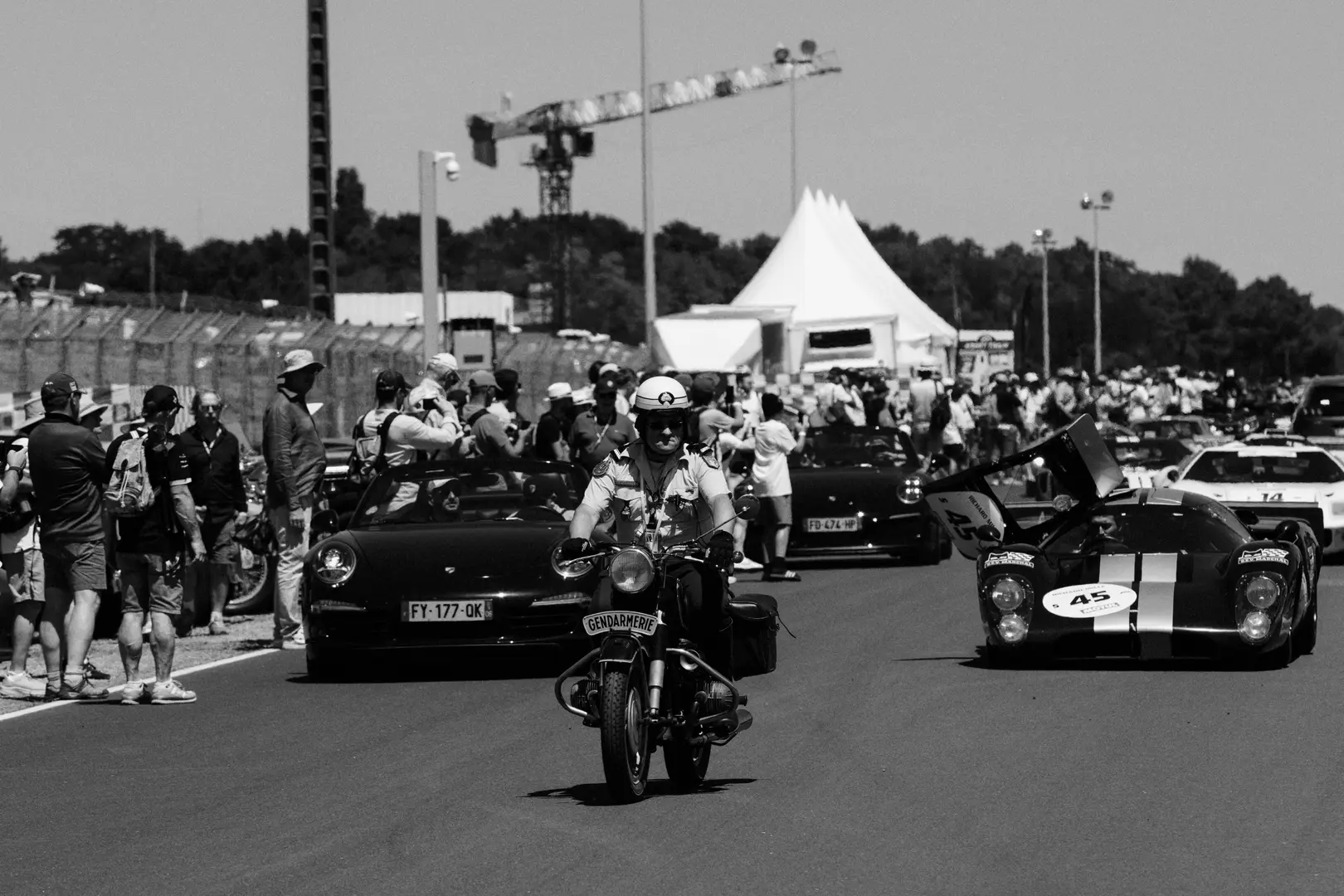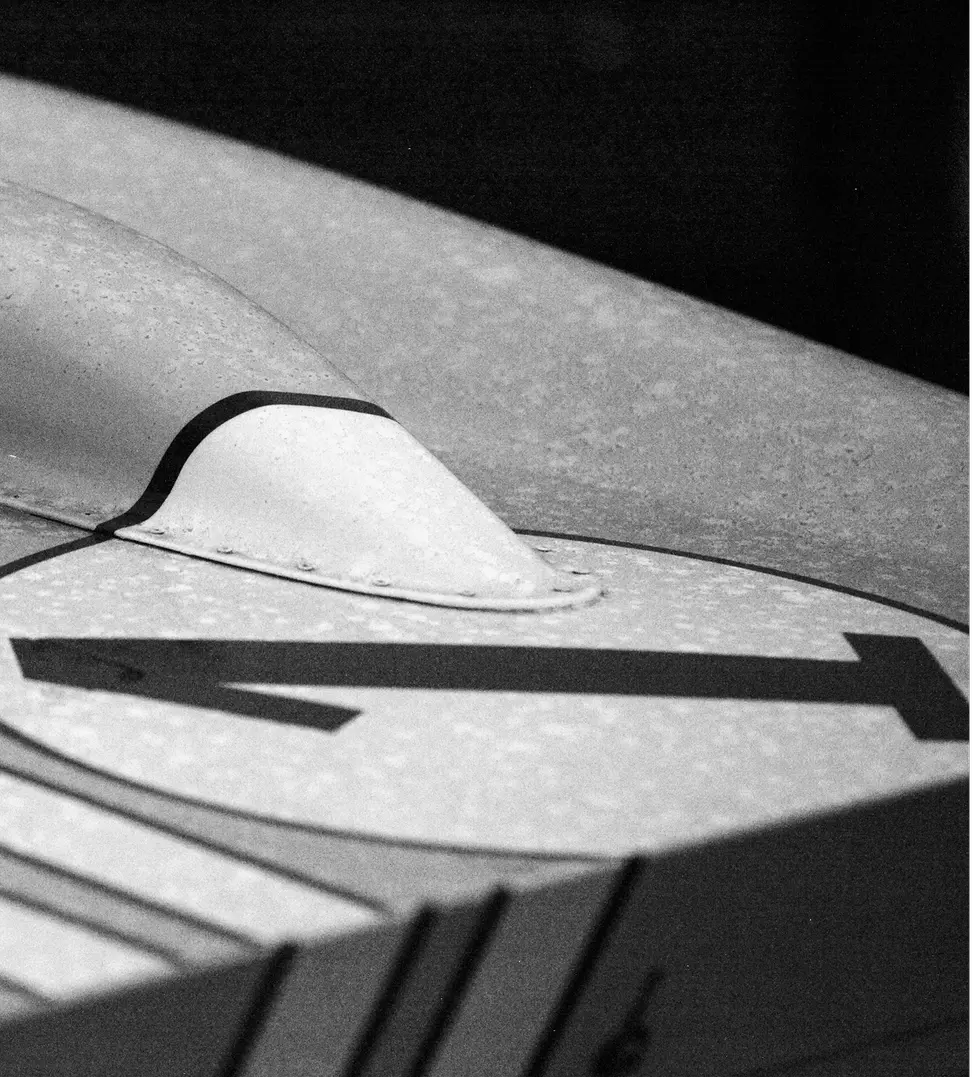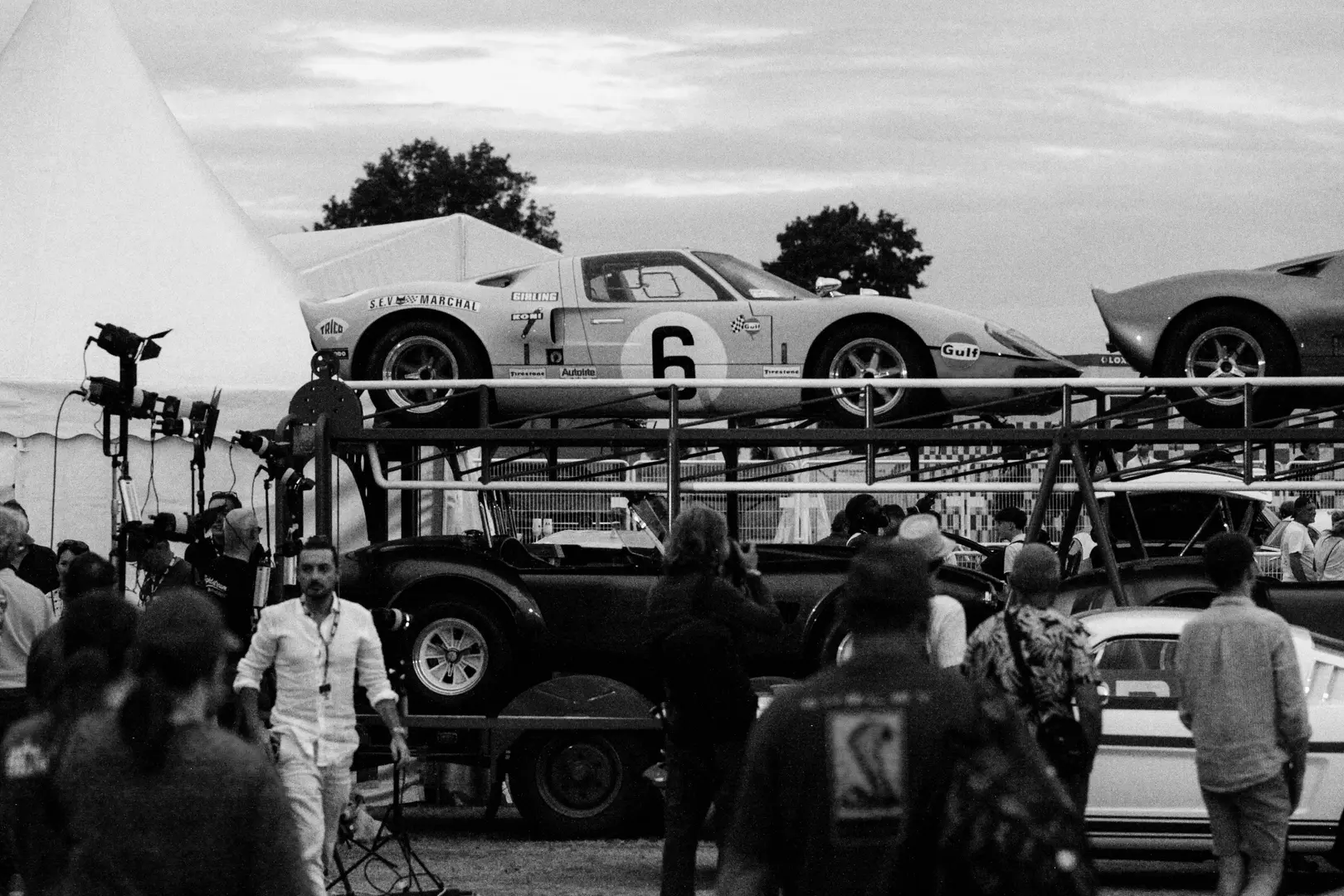
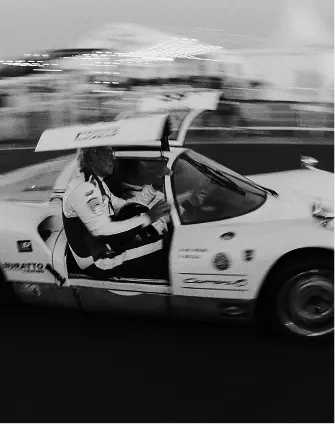
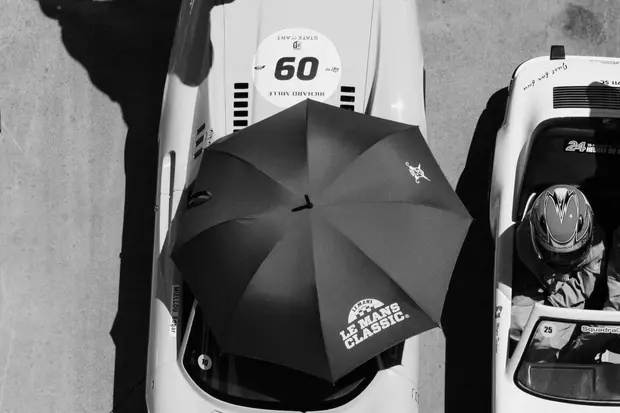
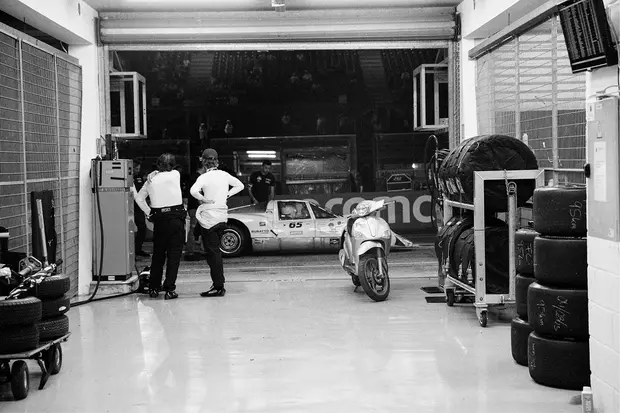
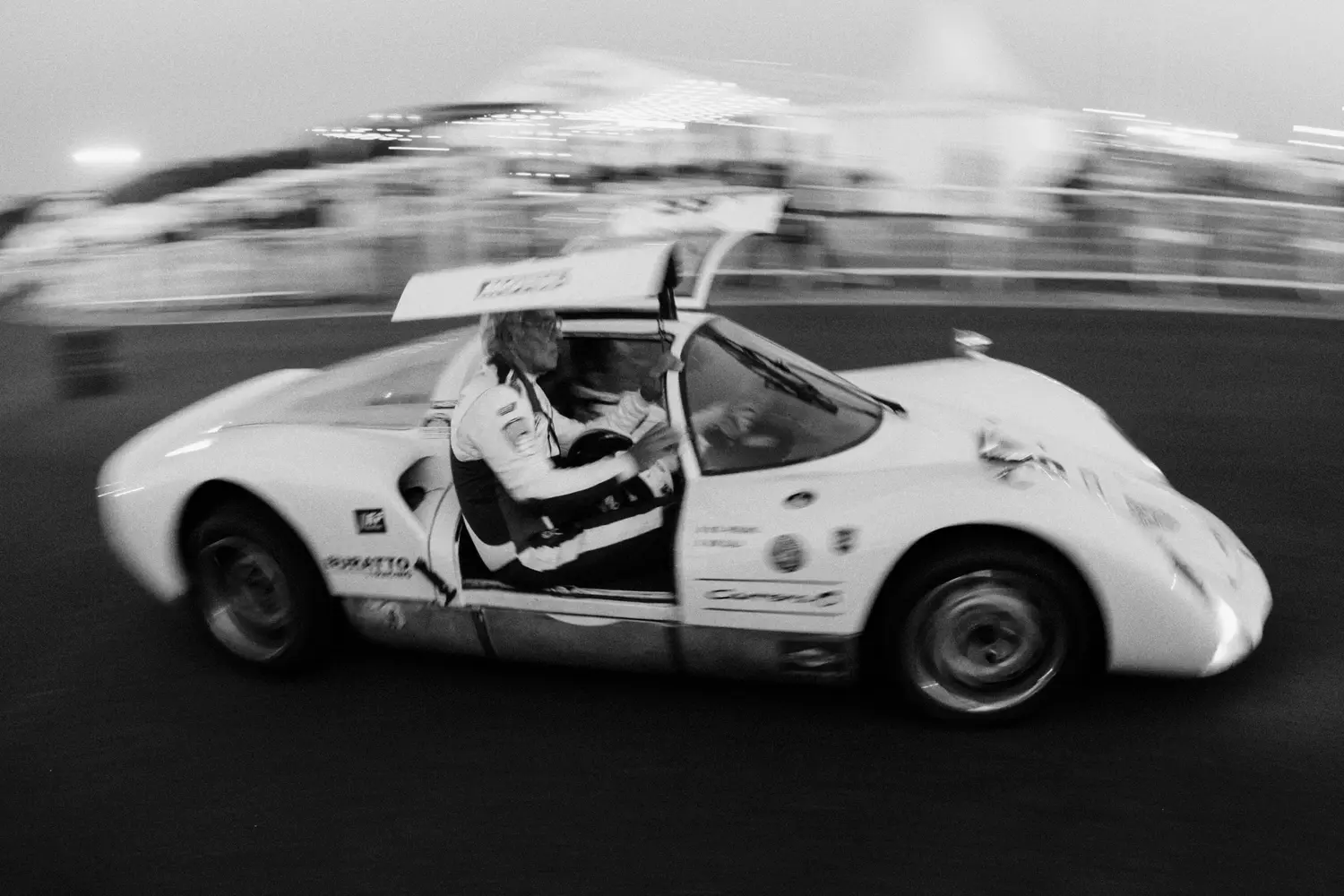
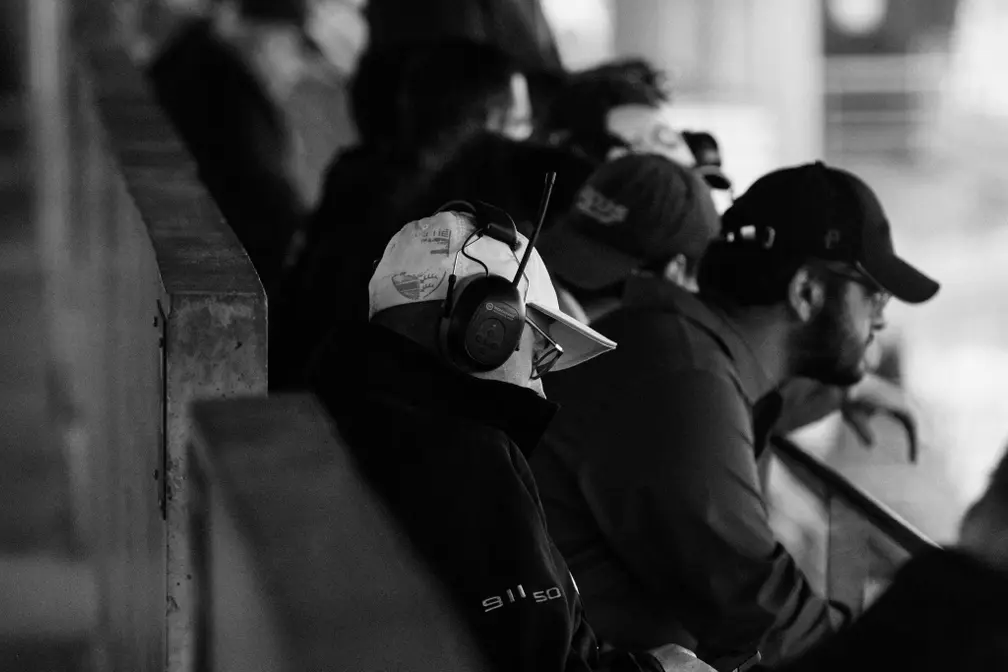
I sneak quiet as a thief into the paddocks that are supposed to be off-limits to the public. The security guys are watching the race instead of the entrances.
Scene 01
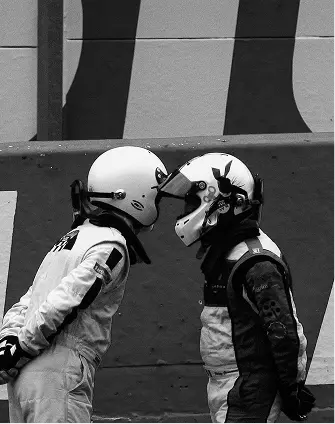
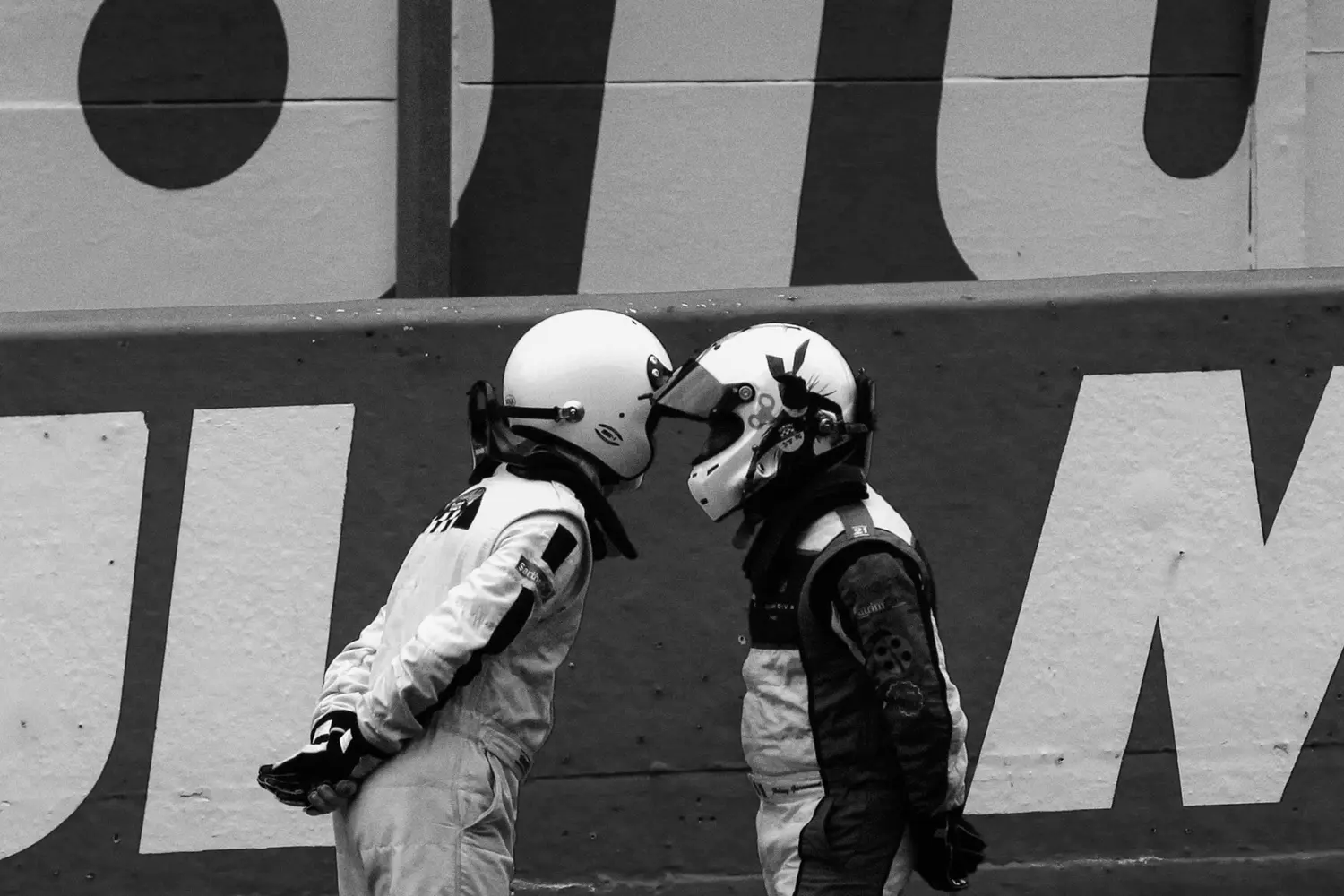
An off-white Arai helmet dragged around on castors like an everyday object, battered by thousands of laps around the track. An object that once protected a skull at 175 mph on the Mulsanne Straight. Now doing time as a wheel chock.

Scene 02
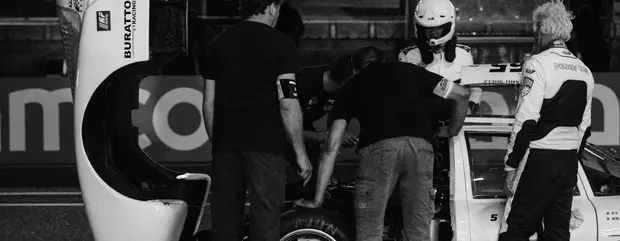
Jean-Michel, 45, a former Peugeot worker who retrained as an engine tuner. Expert hands adjusting a Bilstein suspension.

Scene 03
Tucked away between two semi-trailers, three mechanics looking at GPS data on a cracked iPad. Graphs that are meaningless to the average person: lap time, speed, brake temperature.
"Sector 2, he's 1.2 seconds off the benchmark. It's the tyres losing pressure, that's for sure."

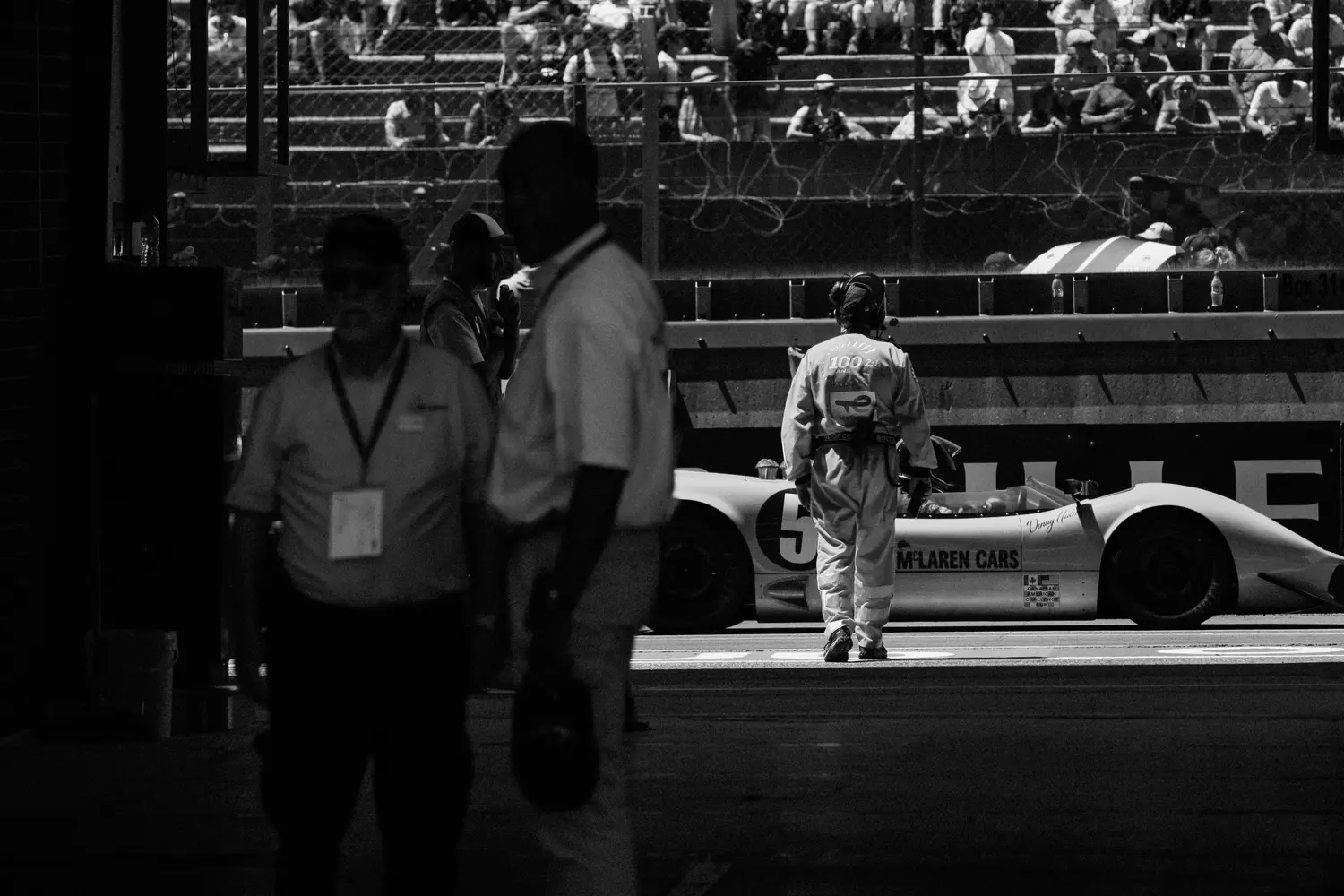
These guys will never appear on TV. No microphones waved in their faces, no live interviews, no champagne on the podiums. But without them, the stars are nothing more than collectors in gaudy racing suits.
They wear overalls stained with Motul oil and sleep three hours a night on air mattresses in trucks, but they know every nut and bolt in these two-million-euro machines better than any driver.
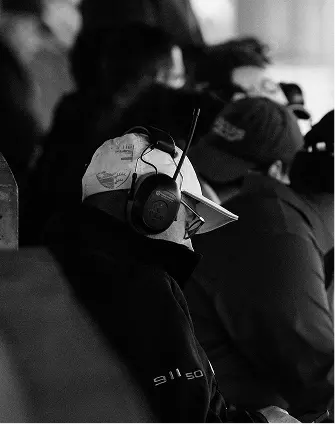
Another mechanic – grey hair, fifty-ish, looking tired – tightening a ratchet strap with surgical precision.
grey hair, fifty-ish, looking tired
A pile of Simpson helmets dropped next to a Mercedes truck like severed heads.
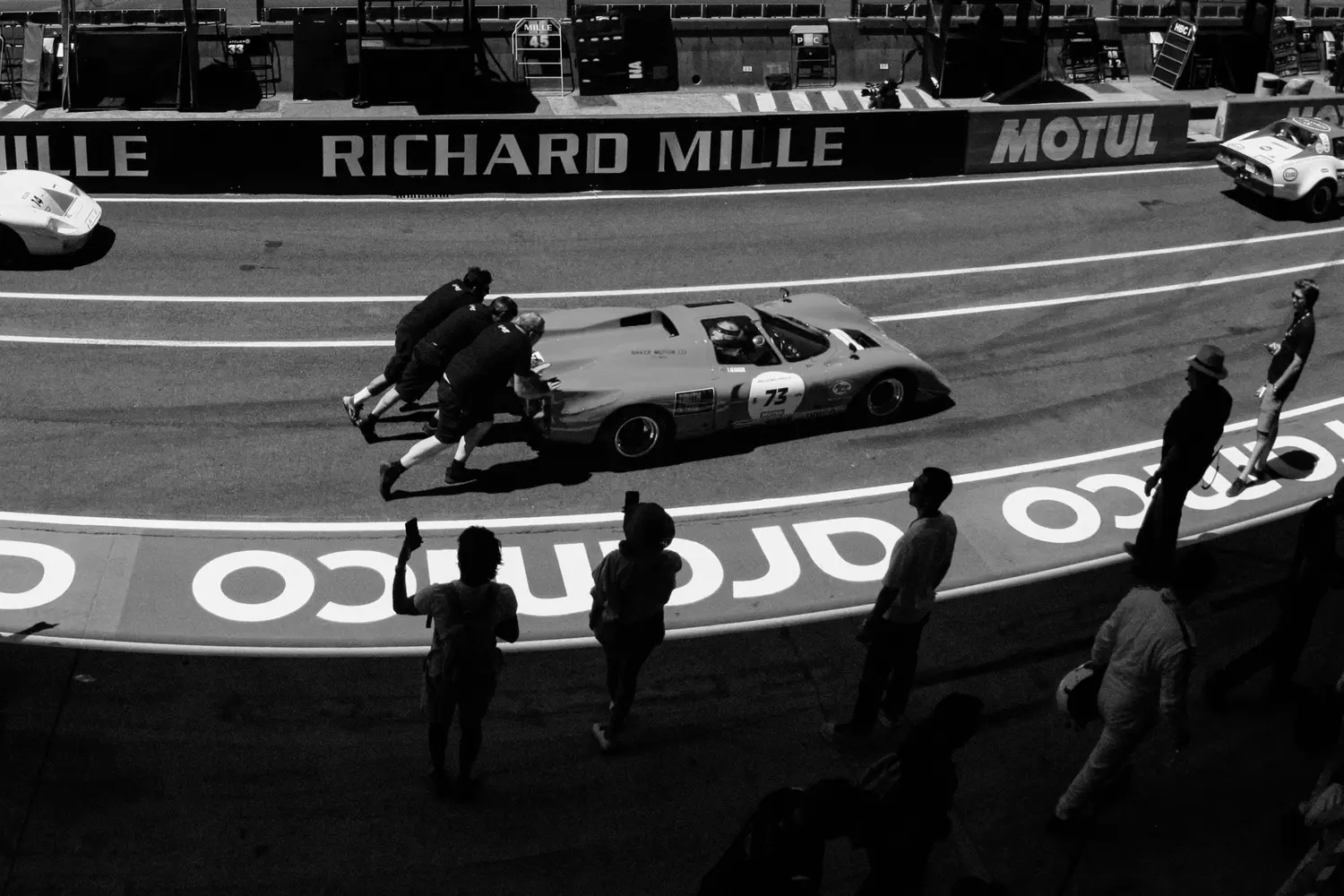
These precise, repetitive, unnoticed movements.
The human infrastructure of speed.
The real heroes, the ones who are never in the limelight themselves but are the reason why the stars get to strut their stuff for the paparazzi.